
Chapter 1 of Building Robotic Space
Robots Won't Be Limited by Hardware
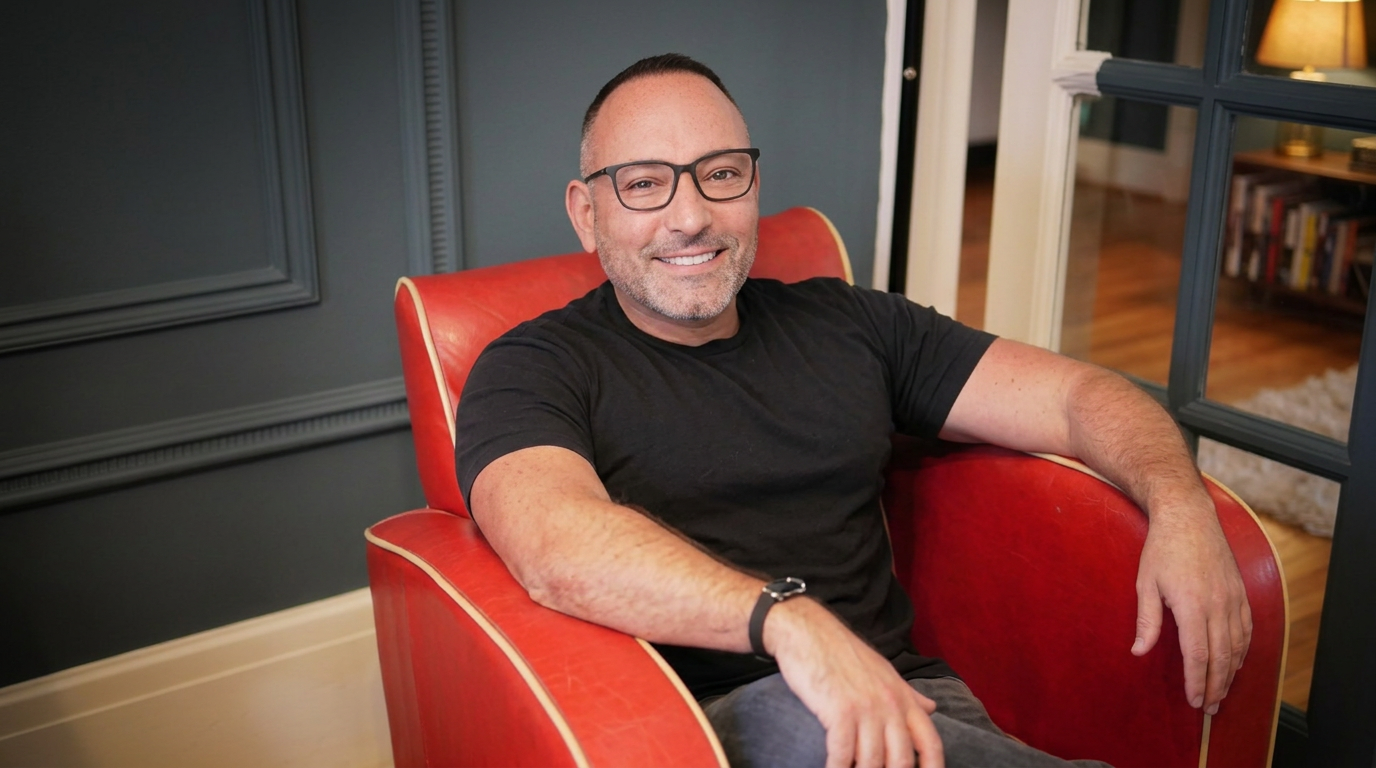
Peter Atalla, CEO, Robotic Data
October 2026 · 4 min readDraft
Chapter 1 · 2:00
Peter Atalla
Every few months someone shows me a robot that can do something amazing in a demo. Walk up stairs. Fold a towel. Fly a route across a city. And every time I ask the same question: what happens when you take it somewhere it has never been?
That's where most robots still break. Not because the motors are weak or the chips are slow. The hardware has come a long way. They break because they've never seen enough of the real world to know what to do in it.
Language models got good because they learned from an enormous amount of text people had already written. Robots don't have that. Nobody has written down what every street looks like this week, or how a person actually loads a dishwasher, from their own point of view, with the sound and the motion lined up. That data doesn't exist until someone goes out and captures it.
The companies that win in Physical AI won't be the ones with the best robot. They'll be the ones whose robot learned from the best data.
That's what my team has been doing for eight years. We started by mapping the world for autonomous vehicles, in 26 countries. Now we also capture how people do real tasks, so robots can learn from them.
I believe the companies that win in Physical AI won't be the ones with the best robot. They'll be the ones whose robot has learned from the best data.
I'm writing this series to explain how I got here, what I've learned, and where I think this is going. Some of it is about our company. Most of it is about the problem we're all trying to solve.
From roboticdata.com
The Robotic Space Thesis
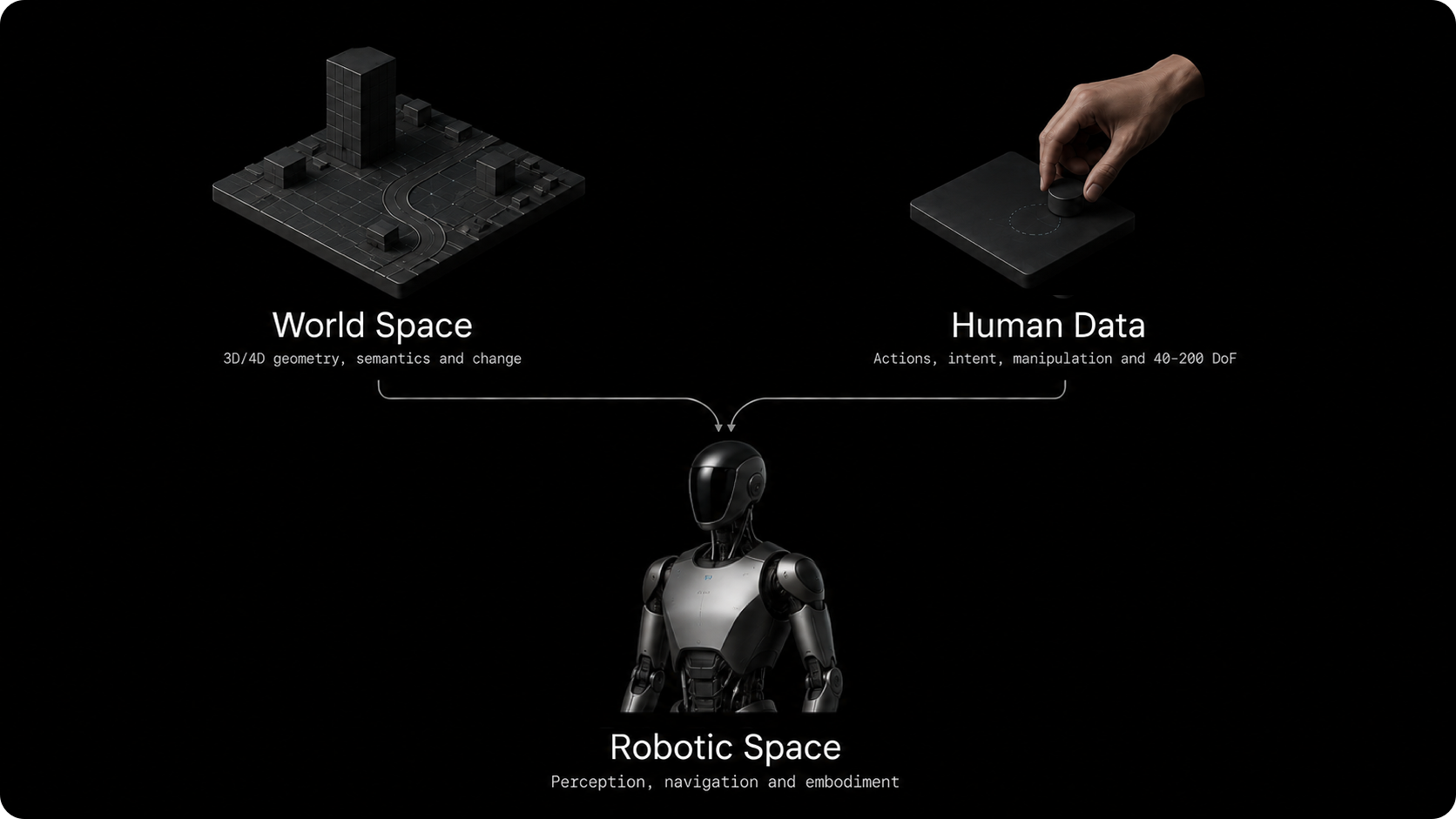
Robots need two kinds of data at once: data about the world, and data about how people work in it. We call the place where those meet Robotic Space.
Robotic Data
Building robots that need to understand the real world?
Robotic Data captures and engineers the real-world data Physical AI learns from: street-level, aerial and indoor world data, and human task data from people doing real work. Eight years, 26 countries, from one site to an entire country.
Next: Chapter 2
We Started by Mapping the World
What eight years of mapping for machines taught me about what robots really see.